Best Martial Arts For Self-Defense: 15 Styles Compared
Contents
- 15 Best Martial Arts For Self-Defense
- 1. Krav Maga
- 2. Muay Thai
- 3. Boxing
- 4. Combat Sambo
- 5. Judo
- 6. Taekwondo
- 7. Karate
- 8. Filipino Martial Arts
- 9. Brazilian Jiu-Jitsu
- 10. Wing Chun
- 11. Jeet Kune Do
- 12. Silat
- 13. Kung Fu
- 14. Aikido
- 15. Mixed Martial Arts
- Watch This!
- Frequently Asked Questions
- Which martial art is best for self-defense?
- What are the deadliest martial arts?
- Conclusion
- Sources
Photo by U.S. Army photo by Pfc. Laurie Ellen Wash, Public domain, via Wikimedia Commons
The best way to win a fight is to run away. This is one of the things that seasoned practitioners of martial arts will teach you.
However…
Escaping, de-escalating, and calling 911 should always come first. But you can't always get away, and if an attacker keeps coming, training helps you protect yourself long enough to escape.
Read on as we walk you through some of the best martial arts for self-defense.
15 Best Martial Arts For Self-Defense
Martial arts training is a full-body workout that builds fitness, flexibility, coordination, and discipline. In this post, though, we focus on self-defense.
1. Krav Maga
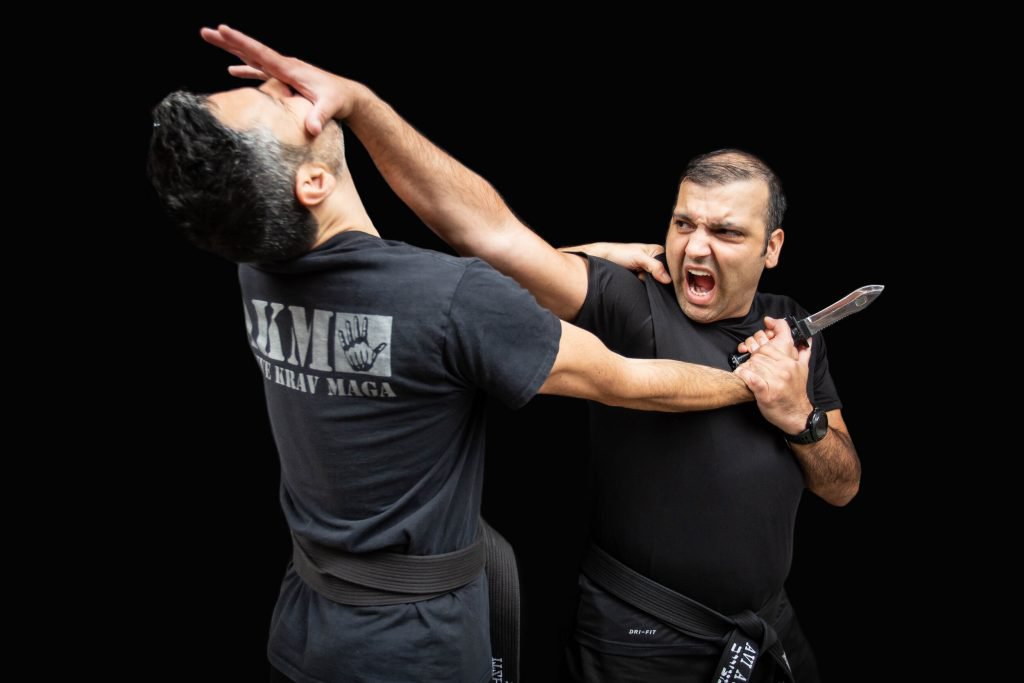
Krav Maga is Hebrew for "contact combat." Imi Lichtenfeld developed it and taught it to the Israel Defense Forces after the state was founded in 1948. Civilian classes followed, and today it is one of the most widely taught self-defense systems.
If you want to learn Krav Maga, you will first have to master various techniques such as striking, getting up after a fall, and basic stance. The training also includes awareness of your surroundings and how to perform even when you are under stress.
It is meant to be simple and instinctive, so it holds up under stress.
Combat sports ban strikes to the groin and eyes. Krav Maga has no sport rules and teaches targeting vulnerable areas to stop an attack quickly and escape. Keep in mind that self-defense laws only allow force that is reasonable for the threat.
2. Muay Thai
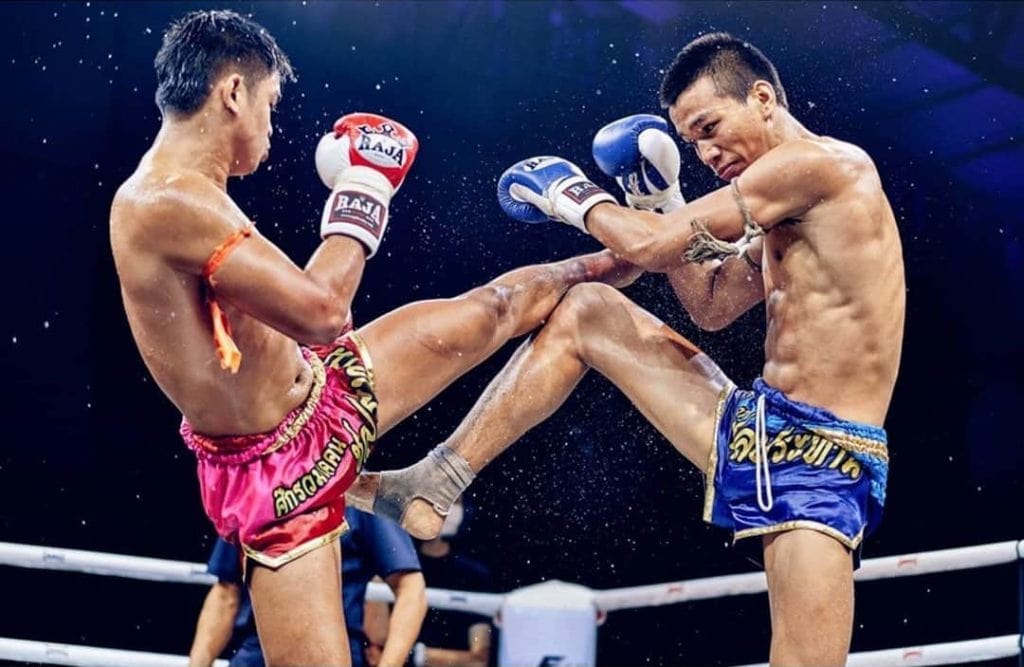
Muay Thai is Thailand's national combat sport and one of the best striking arts for self-defense.
Known as The Art of Eight Limbs, it uses fists, elbows, knees, and shins.
Those who are interested in learning this martial art should practice various kicking techniques. Muay Thai also includes punching and clinching, which are techniques that you will find useful as well in several martial arts, such as wrestling and judo.
Muay Thai also has rich traditions, such as the Wai Kru ritual dance fighters perform before a bout. Those traditions are part of the sport, not the self-defense side.
3. Boxing
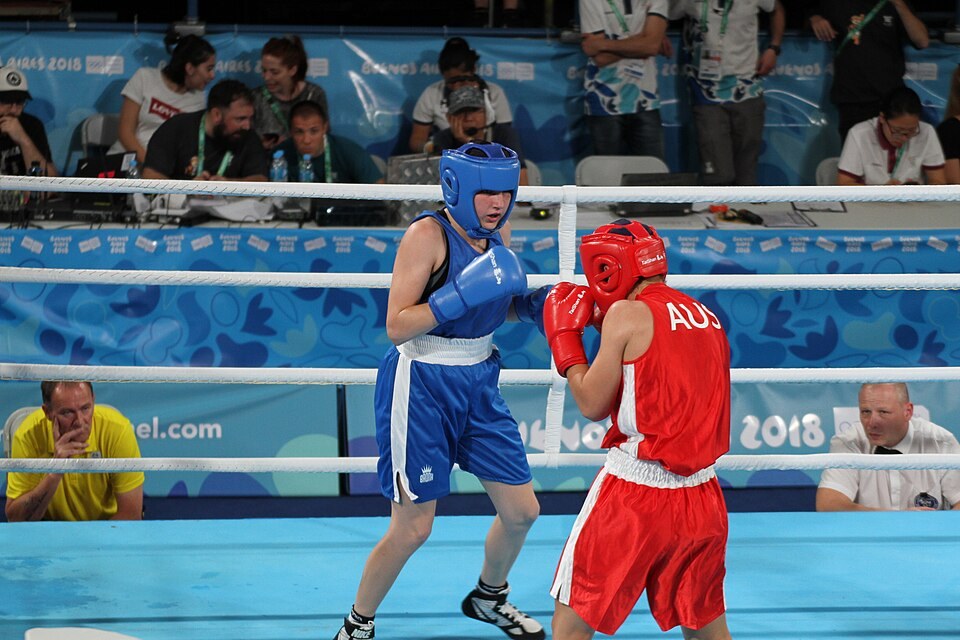
Photo by BugWarp, CC BY-SA 4.0, via Wikimedia Commons
Boxing is one of the most basic and practical martial arts. Classes are easy to find, and you can drill at home between sessions, though a coach is the best way to learn correct technique.
Boxing training usually mixes technique work with interval-style conditioning, footwork drills, and strength work.
One of the best things about boxing is that you will learn a variety of attacking and defensive maneuvers. It also teaches distance control and effective footwork. Those skills carry over well to a self-defense situation.
4. Combat Sambo
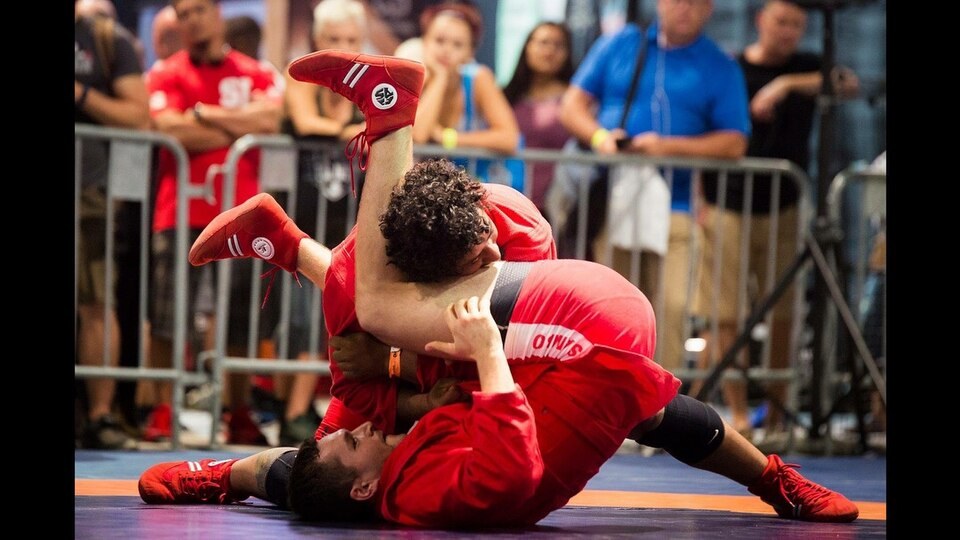
Photo by Хоружий Юрий Александрович, CC BY-SA 4.0, via Wikimedia Commons
SAMBO is a Russian acronym for SAMozashchita Bez ORuzhiya, meaning "self-defense without weapons." It was developed in the Soviet Union in the 1920s and 1930s for military and police training.
Combat Sambo is strong for self-defense because it blends wrestling, judo-style throws, and submissions with strikes. These will make it easy to submit the attacker on the ground when you are defending yourself.
The main principle of this effective martial art for self-defense is to finish a fight as quickly as possible. It is short, explosive, and quick, so you can expect it to be effective. Another goal is for you to remain standing as you throw your opponent to the ground. This makes it easy to stop the attacker without ending in ground fighting.
5. Judo
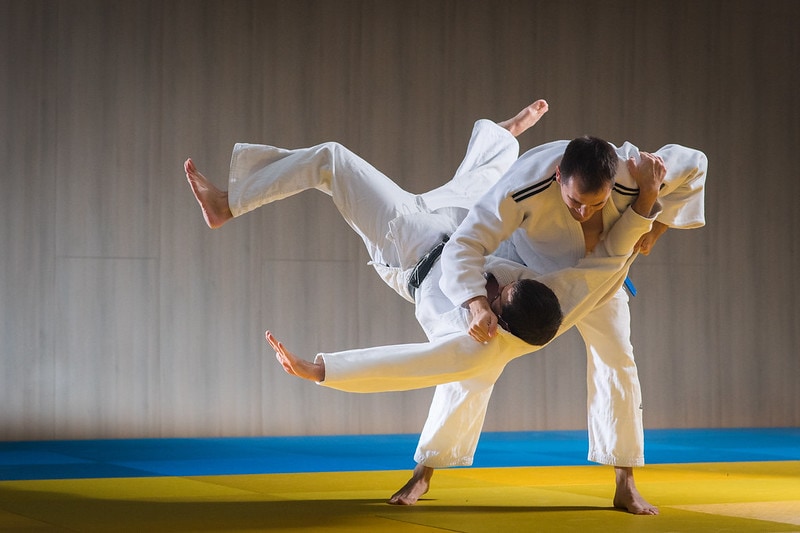
Judo is one of the most effective martial arts for self-defense. Almost anyone can start it, and sport judo has no punches or kicks, which makes it friendly for beginners.
Judo means "the gentle way" in Japanese. Jigoro Kano created judo in 1882 by studying jujutsu, removing its most dangerous techniques, and organizing the rest into a safer system.
Judo training covers throws, sweeps, pins, chokes, and arm locks, along with how to fall safely.
For self-defense, a good throw or sweep can end a confrontation quickly, and safe falling skills help in any fall.
6. Taekwondo
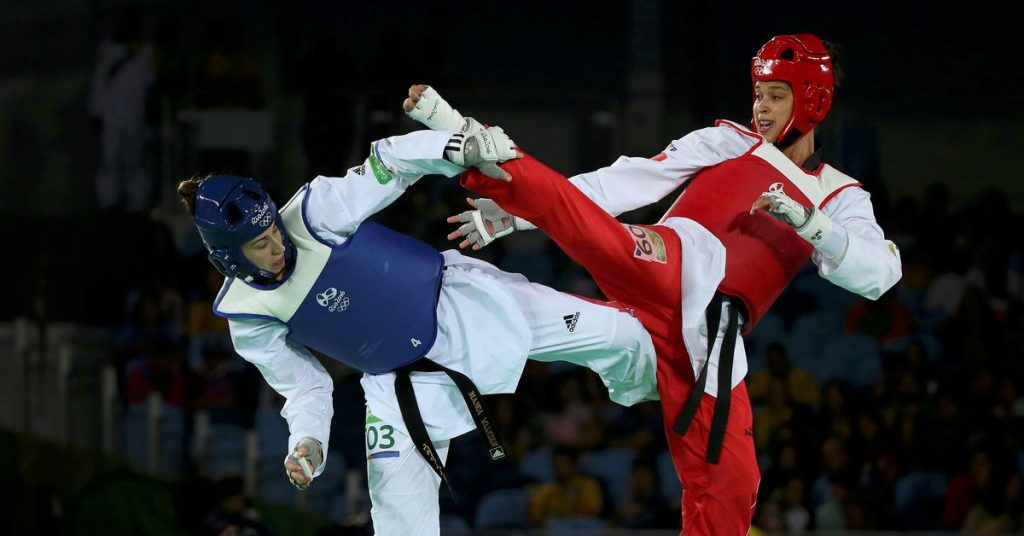
Taekwondo is a Korean martial art and an Olympic sport. It is known for fast, powerful kicks and also stresses discipline and respect.
"Tae" means foot, "kwon" means fist, and "do" means way.
A taekwondo instructor will teach you how to use your fists and feet, along with self-control.
Some of the best taekwondo moves that you need to learn for self-defense include straight punches, front kicks, push kicks, round kicks, target elbow strikes, knee strikes, palm heel strikes, and defensive side strikes.
Training also makes your legs fast and strong, which helps you keep an attacker at a distance.
7. Karate
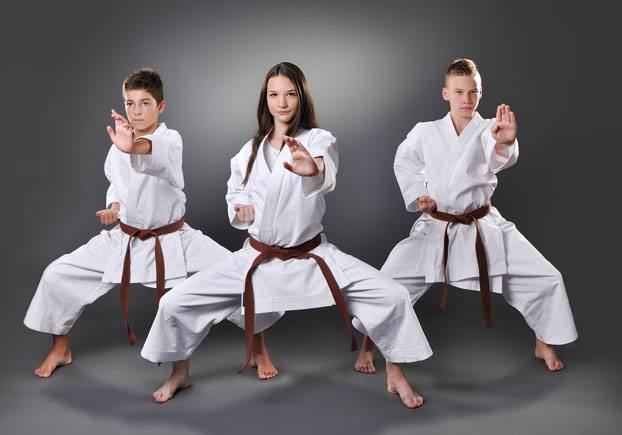
Karate developed in Okinawa, once the independent Ryukyu Kingdom and now part of Japan, influenced by Chinese fighting arts. It has many styles, such as Goju-Ryu and Shito-Ryu.
Like most of the other martial arts listed, karate focuses on self-discipline and mental strength. It teaches a wide range of strikes and blocks.
For self-defense, the straight punch and open palm strikes are among the most useful karate techniques. Palm strikes also avoid the risk of a boxer's fracture, a hand break that often comes from punching something hard with a bare fist. Blocking techniques help you guard yourself against an attack.
8. Filipino Martial Arts
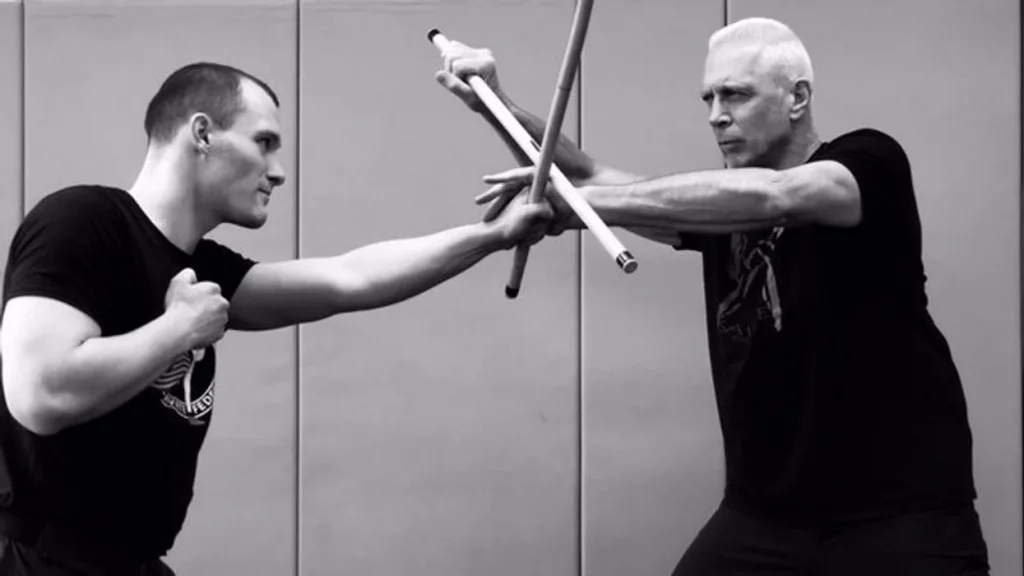
Level up your self-defense knowledge by learning Filipino martial arts. It does not refer to a single martial art for self-defense but a group of techniques that are popular in the Philippines but now practiced around the world.
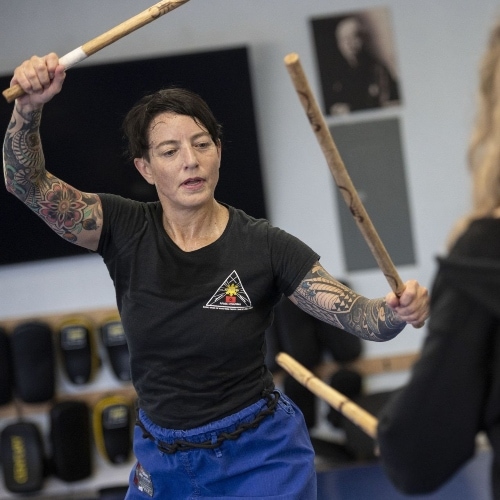
Filipino martial arts include hand-to-hand combat as well as stick and knife fighting.
Arnis, also called kali or eskrima, is the best-known Filipino martial art and the country's national martial art and sport.
It is most commonly done with sticks, but knives and blades can also be used. While it is weapon-based fighting, you can also use the techniques that you will learn for self-defense, such as disarming techniques and joint locks.
9. Brazilian Jiu-Jitsu
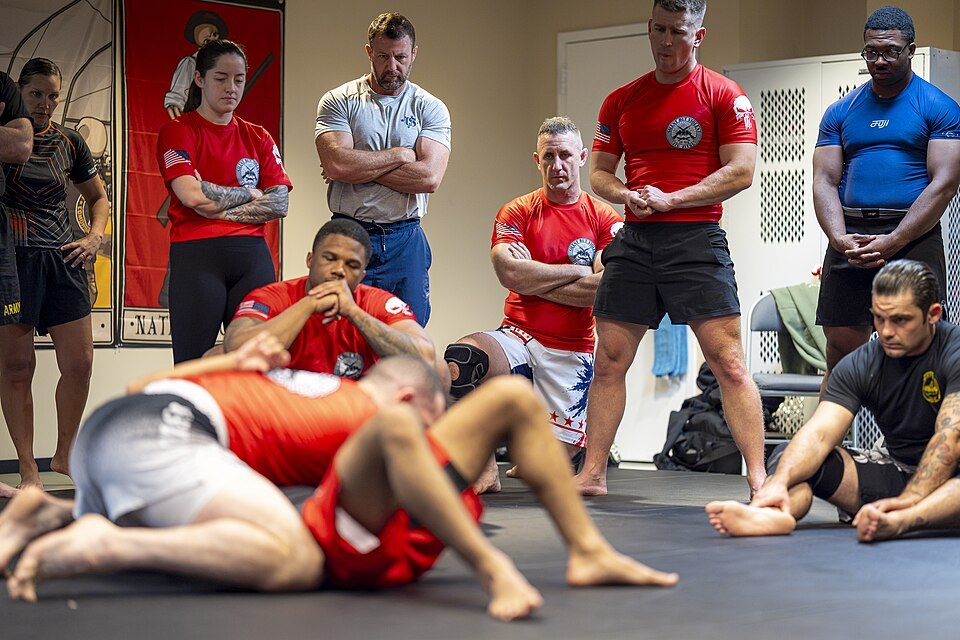
Photo by DHSgov, Public domain, via Wikimedia Commons
Brazilian jiu-jitsu is a grappling art built on controlling a resisting opponent and forcing a submission. Most of the techniques are for ground fighting.
Sport BJJ has no strikes. It relies on leverage and position rather than strength, which helps smaller people control larger opponents.
BJJ instructors usually have many years on the mat, and earning a black belt often takes around a decade of steady training.
10. Wing Chun
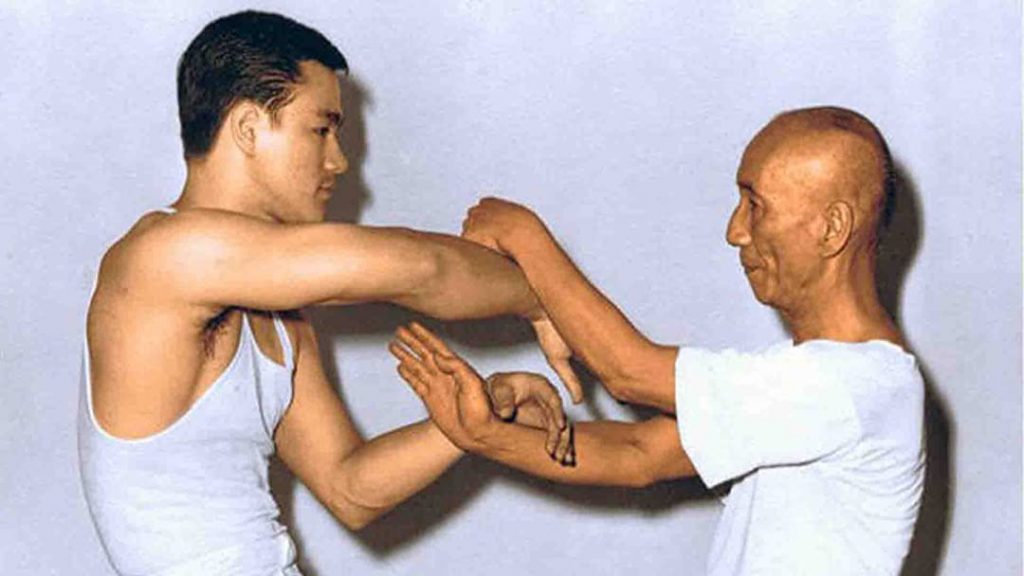
Wing Chun is another martial art that you might want to learn to improve your skills for self-defense. It is a type of kung fu, so you will find that the two have several similarities.
Legend has it that Wing Chun was developed by Ng Mui, a Buddhist nun who was also a Shaolin Kung Fu master. She introduced a compact martial art form meant to exploit the weaknesses of other combat sports at that time.
Wing Chun specializes in close-range fighting, with fast, direct strikes and trapping of the opponent's arms.
It has little competitive sport side, so most people train it for self-defense. Look for a school that includes pressure testing or sparring.
11. Jeet Kune Do
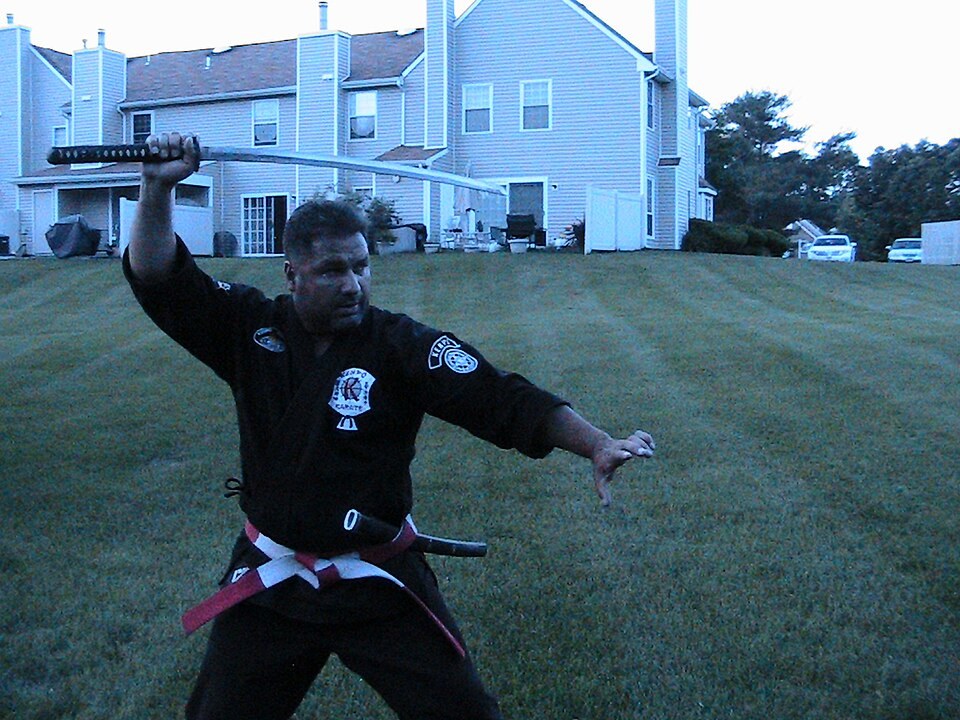
Photo by Rogue0106, CC BY-SA 3.0, via Wikimedia Commons
Jeet Kune Do is another option for self-defense.
Jeet Kune Do means "the way of the intercepting fist." Bruce Lee created it as a hybrid approach drawing on Wing Chun, Western boxing, and fencing.
It favors simple, direct, efficient movements over set forms.
Qualified instructors are harder to find than for boxing or BJJ, so check a school's background.
12. Silat
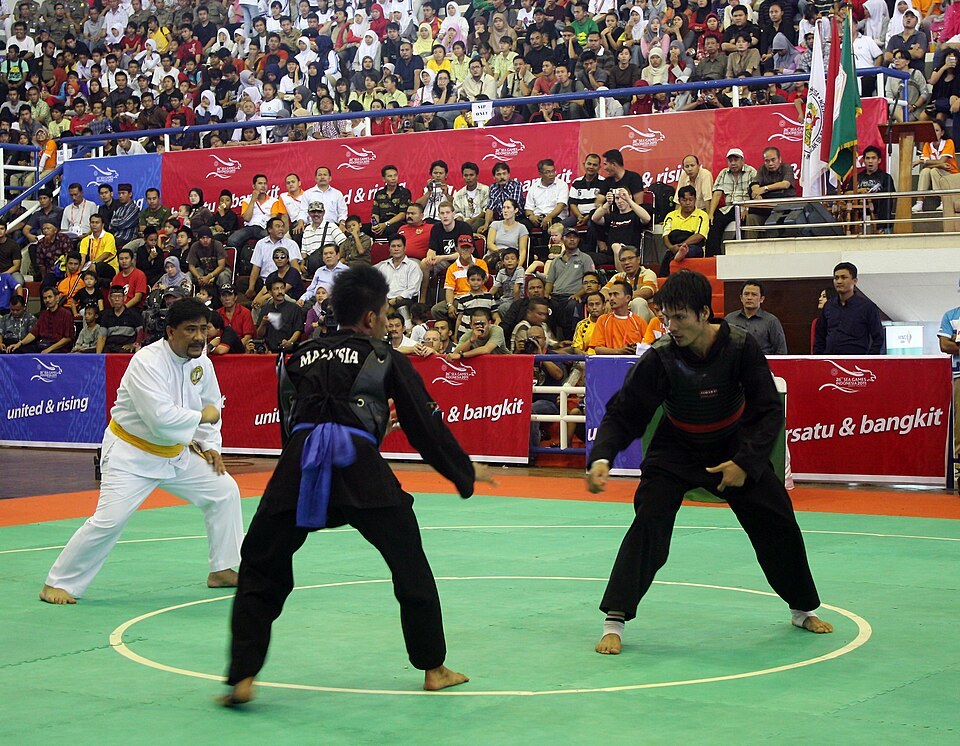
Photo by Gunawan Kartapranata, CC BY-SA 3.0, via Wikimedia Commons
Silat is less common in the West, but it is a complete fighting system.
Silat comes from the Malay world of Southeast Asia, including Indonesia, Malaysia, Brunei, Singapore, and parts of Thailand and the Philippines. There are hundreds of styles.
Silat training covers strikes, blocks, sweeps, throws, joint locks, and in many styles weapons.
13. Kung Fu
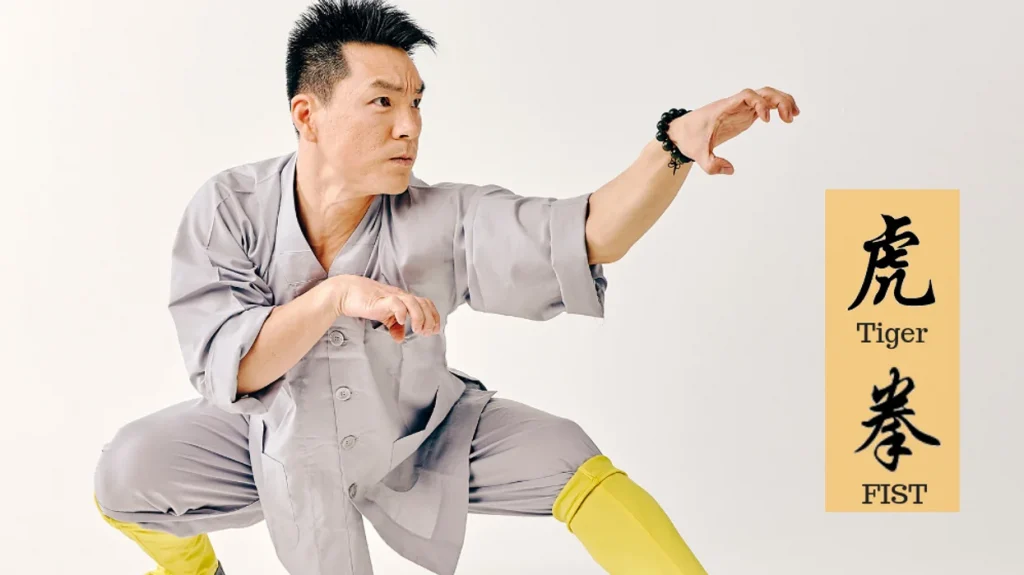
One of the quintessential martial arts, it is another great practice for those who want to learn self-defense. Most people will assume that it is a specific type of martial art, but it is an umbrella term that encompasses several martial arts, including some that we have already talked about in this guide.
Kung fu comes from China and covers hundreds of styles. Some, like Shaolin kung fu, are linked to Buddhist monasteries, while others came from families and villages.
Traditional schools also stress values such as humility, patience, and respect.
It is a common misconception that it is a soft martial art. However, it combines both soft and hard fighting techniques.
14. Aikido
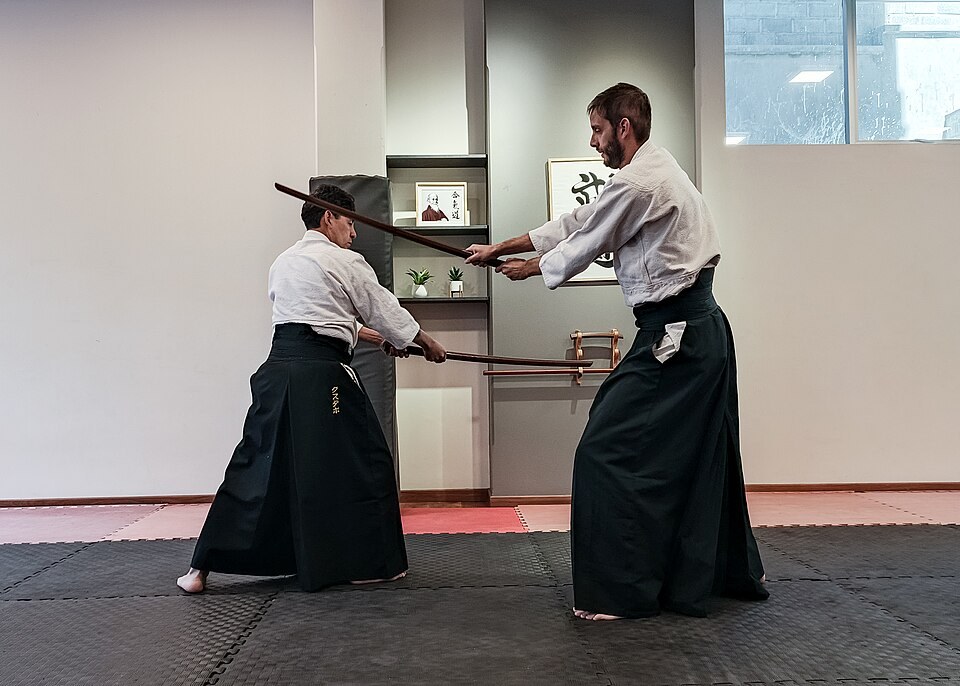
Photo by Norkiña, CC BY-SA 4.0, via Wikimedia Commons
Aikido is a Japanese martial art founded by Morihei Ueshiba. It redirects an attacker's force with throws and joint locks instead of meeting force with force.
Some of the principles that you will learn in Aikido are being centered, focused, and relaxed. The aim is to have a peaceful resolution, but that does not mean that you will not do anything to defend yourself from an opponent.
To better understand what this practice is all about, let us break down the words. Ai is a Japanese word that means harmony. Ki, on the other hand, means mind, spirit, or universal energy. Meanwhile, Do translates to the way. So, Aikido translates to the way of harmony with universal energy.
15. Mixed Martial Arts

Photo by Lance Cpl. Sarah Anderson, Public domain, via Wikimedia Commons
MMA is the youngest combat sport on this list, but one of the most popular.
As the name implies, it is a mix of different practices, making it good to learn if you are looking for the best martial art for self-defense. Its fundamentals are rooted in boxing, wrestling, jiu-jitsu, and Muay Thai.
MMA training covers many of the situations you could face in a real attack. Grappling, striking, and ground techniques are some of the things that you will learn, which will help in self-defense. Regular sparring also teaches you to stay calm under pressure.
Knock-Out Point: If you want to focus on specialized self-defense forms for women, then read our article here -- Best Martial Arts For Women.
Watch This!
Frequently Asked Questions
Which martial art is best for self-defense?
Arts with regular live sparring, such as boxing, Muay Thai, judo, Brazilian jiu-jitsu, and MMA, tend to transfer best to real self-defense. Krav Maga focuses directly on self-defense scenarios. The best choice is the one you will train consistently at a good school.
What are the deadliest martial arts?
If you are interested in self-defense, then you might want to learn some of the deadliest martial arts, including Silat, kung fu, tae kwon do, karate, and Muay Thai. In practice, how well you can defend yourself depends far more on how you train than on which style you pick.
Conclusion
People train martial arts for fitness, discipline, and confidence. Self-defense is one of the most practical reasons to start.
Remember that avoiding danger and escaping beat fighting. Look for a school with qualified instructors and live practice against resisting partners.
Sources
- History and Culture, International Judo Federation
- Hand Fractures, American Academy of Orthopaedic Surgeons (OrthoInfo)